- Introductory Note
In contemporary governance scheme, the essence of media & think-tank groups added as a fourth arm of government (in addition to the conventional three pillars of govt: legislative, executive and judiciary )
In advanced democracies, like the US and Europe, the reason why any political party, whether took hold of government power or remains an opposition entity, are constitutionally (hence legally) disallowed to own, operate and/or influence media directly or indirectly is because not to disinform, misinform or influence the general public with its political agenda. The ultimate objective of that is to defend the public opinion (conscience) from political motives of ruling party which can deviate from the short run or long run public (national) interests.
The task of safeguarding the public (national) interests not to get annoyed by (conflicting) motives of politicians is left to the media and think-tank groups
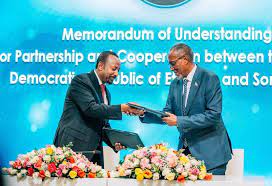
The essence of this brief blog-post is to emphasize the media, academic and think-tank circles on the need to be cautious on their reportages regarding the recently signed agreement between Ethiopia and Somaliland which entitled the former access to international water bodies. As such, narratives should be built by facts and principles in a way that sides to the short term and long term interests of the State of Ethiopia and its people
The objective is the need to construct value judgement on the matter based on facts and principles
2. How the General Public React to Media Reports on the Agenda?
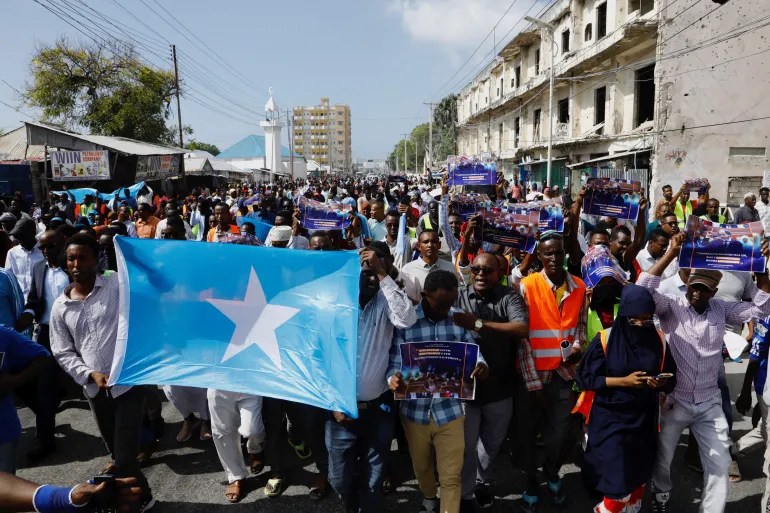
What I suggest for general public is for them not expect narratives released from state media to be detached from the Prosperity Party’s agenda (interests). Hence, the wider populace has to be investigative on the matter from alternative media narratives
The issue is that Ethiopians should not blindly acclaim or condemn the recent deal with Somaliland. They have to be critical and evaluative on the matter on from its wider benefits and/or costs in the realms of political, economic, security, geopolitical and diplomatic dimensions
2. On What the role of Academia and Policy Practitioners
The academicians and policy practitioners have to help the general public with provisions of genuine evidences, facts and information so that popular stand (opinion) is not vulnerable to distortions from rhetoric sprayed by media outlets operated by political entities and their affiliates
3. My Message to the Private Media
The private media should first preserve its independence from being playing card of political entities, whether the ruling or opposition parties. It is only once they make sure they are free that they would be eligible to be echoes of the interests of the general public and defenders of national interests in their reportages
Therefore, while reporting Ethiopia’s recent signings with Somaliland, their stories should be framed not merely to support (or oppose) the ruling political party, the PP, but to defend national interests
4. For Supporters (Affiliates) of the Ruling Party in Ethiopia
Supporters or affiliates of Prosperity Party, which is ruling Ethiopia, are advised to be ready to at least listen to alternative narratives and not get themselves exposed to stereotypical judgements on the topic at hand. If so, they would not make of blind judgements against reportages coming from private media
 ሩህ ሚዲያ - Ruh Media
አስተያየት ያስቀምጡ