By: Habtamu Girma
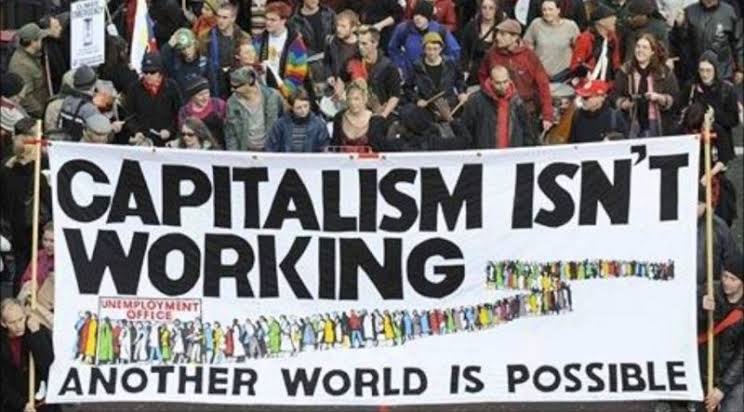
As a way forward of economic reforms, the Abiy Ahmed (PhD) led government in Ethiopia is eying for inclusive capitalism a power of its socioeconomic and political roadmap that direct the path to reforms envisaged. But, what is inclusive capitalism?
The Essence of Inclusive capitalism
Inclusive capitalism is a version of capitalism that conceptualizes the essence of economic theory and practice be human centered. This is unlike conventional capitalism which emphasize in capital accumulation its pillar.
The Pillars of Inclusive capitalism
The term “inclusive capitalism” was first coined in 1943 by a research document by Urban Land Institute publication in USA. As of recent years, the term is getting popularized by two economic anthropologists, C.K. Prahalad and Allen Hammond.
The foundation of inclusive capitalism are two:
One, poverty is inherent problem featuring countries in transition to full fledged capitalism.
Two, the transition to capitalist society a joint efforts of government and private sectors.
The Theory and Practices of Inclusive capitalism
As distinct from conventional capitalism, inclusive capitalism acknowledge for multiple factors beyond economic elements to work in defining the motive of economic agents. Hence, inclusive capitalism is a blending together of social economics, economic sociology, economic anthropology.
In its policy dictations, inclusive capitalism connotes for comprehensive government policies to achieve measurable improvement in poor people’s lives. Hence, public policies should encourage living wages, affordable housing, access to nutritious and low-cost food, high quality and inexpensive schooling, health care and public transportation.
To achieve those objectives, the government works with businesses and NGOs. Beyond direct involvements in those endeavors, the government oversight the nongovernment sector on whether its operations are in accordance of the principles of inclusive capitalism.
 ሩህ ሚዲያ - Ruh Media
አስተያየት ያስቀምጡ