• የመደመር ጽንሰ ሃሳብ እና አካታች ካፒታሊዝም (Inclusive Capitalism) በዛሬይቱ ኢትዮጵያ

    ሀብታሙ ግርማ (በጅግጅጋ ዩኒቨርሲቲ የኢኮኖሚክስ ትምህርት ክፍል መምህር)

    መግቢያ

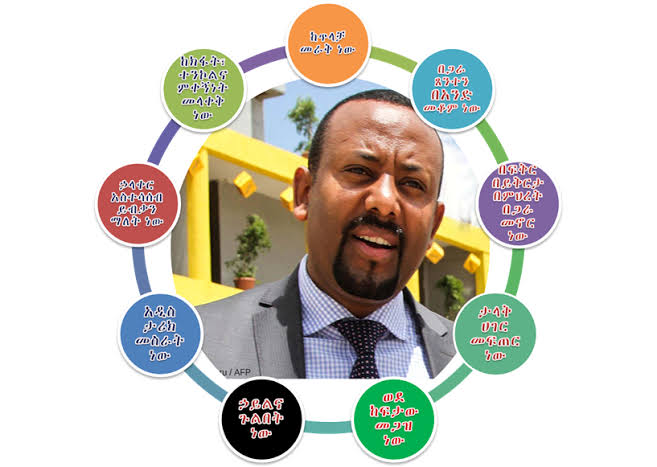
    አንድ አመት ተኩል ዕድሜ ያስቆጠረው የአገራችን ሁለንተናዊ ማሻሻያ ጅምር ከሚተችባቸው ነጥቦች አንዱ ለውጡን ለመምራት የሚያስችል ፍኖተ ካርታ (roadmap) የለውም የሚል ነው፡፡ የለውጡ አመራሮች የለውጡ መዘውር የመደመር መርህ መሆኑን ቢናገሩም ይህ የመደመር እሳቤ የፖለቲካና ኢኮኖሚ ገጽታዎች በተብራራ መልኩ ሳይቀመጥ ቆይቷል። ጠቅላይ ሚኒስትር አብይ ስለመደመር ፍልስፍና መጽሃፍ እያዘጋጁ እንደሆነ ከመነገሩ ውጪ ቢያንስ ህዝብ የሚያውቀው ሰነድ እስካሁን የለም፡፡ ነገር ግን በዚህ መጣጥፍ ጸሃፊ እምነት የዶ/ር አብይ አህመድ ያለፉት 18 ወራት የስልጣን ጊዜ የአመራር ፍልስፍና እና ያከናወኗቸው መንግስታዊ ተግባራትን ከገመገምን የአመራር መርሃቸው የሆነው የመደመር ጽንሰ ሃሳብ ርዕዮተ ዓለማዊ መሰረት እንዳለው፣ ይህም አካታች ካፒታሊዝም እንደሆነ እንገነዘባለን፡፡ ለመሆኑ የአካታች ካፒታሊዝም ጽንሰ ሃሳብ ምንድነው? ከተለምዷዊው ካፒታሊዝም (conventional capitalism) የሚለየው በምንድነው? ይህ መጣጥፍ ለእነዚህ እና ተዛማጅ ጉዳዮች መልስ ያፈላልጋል፡፡

    የአካታች ካፒታሊዝም ጽንሰ ሃሳብ ምንነት እና ግቦች

    አካታች ካፒታሊዝም የህዝብን የኢኮኖሚ፣ ፖለቲካዊ፣ ማህበራዊ እና ስነ ምግባራዊ ጉድለቶችን ለማስተካከል መንግስት ፣ የግሉ ዘርፍ እና ማህበረሰቡ በጥምረት የሚሰሩበትን ምጣኔ ሀብታዊ (economic)፣ ፖለቲካዊ (political)፣ ማህበረሰባዊ (sociological)፣ ስነ ባህላዊ (anthropological)፣ ስነ ምግባራዊ እና ሞራላዊ (ethics and moral) አስተምሮችን ባንድ ያቀፈ ጽንሰ ሃሳብ ነው፡፡ የአካታች ካፒታሊዝም ጽንሰ ሃሳብ ለመጀመሪያ ጊዜ የተገኘው በ1947 ዓ.ም (እ.ኤ.አ) በአገረ አ,ሜሪካ urban Land Institute በሚል ርዕስ በታተመ አንድ ሰነድ ላይ ነው፡፡ በቅርብ አመታት አለን ሃሞንድ እና ፕራህላድ የተባሉ የማህበራዊ ሳይንስ ጠበብት በምርምር ስራዎቻቸው የአካታች ካፒታሊዝም ጽንሰ ሃሳብ በስፋት እያዲተዋወቅ ያደረጉ ናቸው፡፡ የአካታች ካፒታሊዝም መነሾዎች ሁለት ናቸው፡፡ የመጀመሪያው ድህነት እና የማህበራዊ ፍትህ እጦት የጅምር ካፒታሊስት አገራት መሰረታዊ ችግሮች ናቸው የሚል ሲሆን፤ ሁለተኛው በኢኮኖሚ ስርዓቱ የግል ዘርፉ በኢኮኖሚው ተጠቃሚ ያልሆኑ የህብረተሰብ ክፍሎችን ማለትም (ለአብነት ያህል በድህነት አዘቅት ውስጥ የሚማቅቁ ዜጎችን፣ ሴቶችን) ማገዝ እንዳለበት ያስገነዝባል፡፡ በመሰረቱ አካታች ካፒታሊዝም አላማው ተለምዷዊው ካፒታሊስት ስርዓት (conventional capitalist system) የሚያመጣውን የኢኮኖሚ ፍትህ እጦትና የሚስከትለውን ማህበራዊ ቀውስ ለማርገብ ነው፡፡ የማህበረራዊ ተጠቃሚነት እና ኢኮኖሚያዊ ፍትህ ዋነኛ የኢኮኖሚው ዘርፍ ግቦች ናቸው፡፡ በመሆኑም የግልም ሆነ የመንግስት ተሳትፎ ይህን ማዕከል ያደረገ ነው፡፡ በአካታች ካፒታሊዝም አስተምህሮ ኢኮኖሚያዊ ጥቅም ብቻውን ዜጎች በህይወታቸው ትርጉም እንዲገኙ አያደርግም፣ በመሆኑም ማበረሰባዊ፣ ባህላዊ፣ መንፈሳዊ ጉዳዮችም ከኢኮኖሚ ህይወታቸው የተነጠለ ሳይሆን እንዲያውም የተጎዳኘ እንደሆነ ያስተምራል፡፡ የአካታች ካፒታሊዝም ግብ የኢኮኖሚ እድገት ዘላቂ እና የዜጎችን ሁለንተናዊ ብልጽግናን ማረጋገጥ ሲሆን፣ ለዜጎች መንፈሳዊና ቁሳዊ ልማት ትኩረት አድርጎ ይሰራል፡፡

    የአካታች ካፒታሊዝም ከተለምዷዊ ካፒታሊዝም የሚለየው በምንድነው?

    የካፒታል ክምችት እና ሃብት ማፍራት ተለምዷዊ ካፒታሊዝም ዋነኛ ግቦች ናቸው፡፡ በመሆኑም ማህበራዊ ፍትህ በዚህ ሂደት ሊቀረፍ የሚችል፣ ዋነኛ የኢኮኖሚ ጉዳይ አይደለም፡፡ የኢኮኖሚው ዘርፍ መርህ በነጻ ገበያ መርህ ይመራል ፤ የኢኮኖሚው ባለድርሻዎች ዓላማቸውን ለማሳካት በግለኝነት እና ፉክክር ጽንሰ ሃሳብ ይመራሉ፡፡ የአካታች ካፒታሊዝም ከተለምዷዊው ካፒታሊዝም የሚለየው ዋናው ሰብዓዊ ተጠቃሚነትን ዋናው ምሰሶው ማድረጉ ነው፡፡ በተለምዷዊው ካፒታሊዝም ዋነኛ የኢኮኖሚ መዘውር የግሉ ክፍለ ኢኮኖሚ ሲሆን በአካታች ካፒታሊዝም የግል እና የመንግስት ክፍለ ኦኮኖሚ በጥምረት እና በቅንጅት የሚሰሩበት ነው፡፡ ተለምዷዊው ካፒታሊዝም መሰረቱ በፉክክር እና በነጻ ገበያ የተመራ የኢኮኖሚ እንቅስቃሴ የተሻለ የኢኮኖሚ ብልጽግና መጣል የሚል ነው፡፡ የገበያ መጓደል (market failure) ሲጋጥም ራሱ ገበያ ይፈታዋል የሚል ነው፡፡ የአካታች ካፒታሊዝም መነሻ የገበያ መጓደል (market failure) እና የመንግስት መጓደሎች (Government failure) የፈጠሩትን ማህበረሰባዊ ሚዛን መዛባትን (social imbalance) ማስተካከል ነው፡፡ በዚህም በገበያ የማይፈቱ የገበያ ጉድለቶችን መንግስት ይፈታል፤ በመንግስት መጓደል የሚከሰቱ ችግሮች ሲከሰቱ ገበያው (የግሉ ክፍለ ኢኮኖሚ) ይፈታዋል፡፡ የማህበረሰቡ ስነ ምግባራዊና ሞራል መዛባት ለማስተካከል ደግሞ መንፈሳዊ እና ባህላዊ ተቋማት ከመንግስት እና ከግሉ ክፍለ ኢኮኖሚ ጋር በጥምረት ይሰራሉ፡፡

    በአካታች ካፒታሊዝም የግለኝነት አስተሳሰብ እና የግሉ ክፍለ ኢኮኖሚ ሚና

    በመሰረቱ የካፒታሊዝም ጽንሰ ሃሳብ መነሻ (micro foundation) የሰው ልጅ የስነ ልቦና ውቅር ነው፡፡ የሰው ልጅ በህይወት እንቅስቃሴው ሁሉ (ለኢኮኖሚያዊ ስኬቱም ሆነ ውድቀቱ) የውሳኔው ውጤት ነው፡፡ በውሳኔው ሂደት ደግሞ የፉክክር እና የትብብር ስሜቶች የተለያየ ውጤት (የተጽዕኖ ደረጃ) ቢኖራቸውም የፉክክር ስሜት ግን በተጽዕኖውም ሆነ የውሳኔውን ውጤት በመወሰኑ ረገድ የጎላ ነው፡፡ ስለሆነም የሰው ልጅ በኢኮኖሚያዊ ውሳኔዎቹ ሁሉ የግል ዓላማውን ለማሳካት በፉክክር መንፈስ ይመራል፡፡ የዚህ አስተምህሮ መሰረት በተብራራ ሁኔታ ያስቀመጠው እንግሊዛዊው የምጣኔ ሃብት ሳይንቲስት አዳም ስሚዝ ነው፡፡ አዳም ስሚዝ በ 1776 ዓ.ም (እ.ኤ..አ) ‘An Inquiry into the Nature and Cause of Wealth of Nations’ በሚል ርዕስ ባሳተመው መጽሐፉ እንዳሰፈረው የፉክክር መንፈስ የሰው ልጅ የብልጽግናው መሰረት ነው፤ የሰው ልጅ የኢኮኖሚ እንቅስቃሴ በፉክክር መንፈስ የሚመራ ከሆነ ለኢኮኖሚ ብልጽግና ቁልፍ የሆኑት የስራ ክፍፍል (division of labor)፣ የቁጠባ ባህል (saving culture)፣. ለፈጠራ እና ራስን ለመለወጥ መጣር (innovative mindsets and zeal for self-development) የመሳሰሉትን እሴቶችን ያዳብራል፡፡ የፉክክር መንፈሱ አይሎ መቀማማትን እንዳያስከትል፣ ማለትም ከልክ ያለፈ ግለኝነትን (greed) እንዳይኖር የገበያ ሃይል የራሱ የማረሚያ ስርዓት (corrective mechanism) አለው፡፡ አዳም ስሚዝ ይህን የማይታየው የገበያ ሃይል (invisible hand of the market) ይለዋል፡፡ በኢኮኖሚ ህይወታቸው ከልክ ያለፈ ግለኝነት (greedy behavior) ባህሪ ያላቸው ግለሰቦች (የቢዝነስ ሰዎች) ሃላፊነት በማይሰማቸው መልኩ መንቀሳቀሳቸው አደጋው ለራሳቸው ነው፤ የገበያ ሃይል ዘላቂ የኢኮኖሚ ጥቅማቸውን በሚነካ መልኩ ቅጣት ስለሚጥልባቸው እንዲታረሙ ይገደዳሉ፡፡ በተለምዷዊው ካፒታሊዝም ስርዓት የመንግስት ሚና ይህ የገበያ ሃይል ስራውን እንዲከውን ምቹ ተቋማዊና ህጋዊ ማዕቀፍ ማበጀት፣በኢኮኖሚ ስርዓቱ ውስጥ የገበያ መርህ መተግበሩን ማረጋገጥ ነው፡፡ በመሆኑም መንግስት የገበያ ልማትን ማፋጠን፣ የገበያ ስርዓት መርህን የሚጥሱ ይፋዊም ሆነ ድብቅ የኢኮኖሚ አደረጃጀቶችም ሆነ አካሄዶችን መከታተል፣ መቆጣጠር እና እርምጃ መውሰድ ነው፡፡ ከላይ ለመግለጽ እንደተሞከረው በተለምዳዊው ካፒታሊዝም የሚያነሳው የሰው ልጅ የፉክክር መንፈሱ ከትብብር መንፈሱ አይሎ ይገኛል የሚል እሳቤ ስላለው የኢኮኖሚ ሃልዮትም ሆነ ተዛማጅ ፖሊሲዎቹ ፉክክርን መሰረት ያደረጉ ናቸው፡፡ ከዚህ በተቃራኒው አካታች ካፒታሊዝም የሰው ልጅ በአጠቃላይ የህይወት መስመሩ በተለይም በኢኮኖሚ ህይወቱ ውሳኔዎችን ሲያሳልፍ ለውሳኔው መነሻም ሆነ መድረሻ የሚሆነው ፣ ማለትም የፉክክር እና የትብብር ዝንባሌዎች ተጽዕኖዎች አሉበት የሚል ነው፡፡የኢኮኖሚ አስተሳሰቦቹም ሆነ እና ፖሊሲዎች የዚሁ ስነ ልቦናዊ ውቅር ነጸብራቆች ናቸው፡፡ በመሆኑም ሰዎች በኢኮኖሚ ህይወታቸው በውሳኔዎቻቸው ሁለቱንም ሃይሎች ከግምት ያስገባሉ፡፡ ከዚህ የምንወስደው ነገር የግለኝነት አስተሳሰብ ግለሰባዊ ጥቅም ለማግኘት ብቻ ሳይሆን ለሌሎችም በመስጠትም ውስጥ ይኖራል የሚል አመክንዮ አለው፡፡ ከዚህ አንጻር የሰው ልጅ ለሌሎች ጥቅም ዋጋ መክፈልን (altruism) ምክንያታዊ ማድረግ ያሻል የሚል እምነት በመያዙ የጥንታዊው ግሪክ ስልጣኔ ዘመን የነበረውን የኢኮኖሚ አስተሳሰቦች መነሻዎችን ይጋራል፡፡ የዘመኑ ተጽዕኖ ፈጣሪ ፈላስፋ የነበረው አርስቶትል የግለኝነትን ዝንባሌ (individualistic motive) ጽንሰ ሃሳብን ሲያብራራ ለሌሎች ጥቅም በማሰብ (altruistic motive) እና በግለኝነት ዝንባሌዎች ተጻራሪ አይደሉም፤ ይልቁንም ለሌሎች ጥቅም ማሰብ ምክንያታዊ ግለኝነት (rational selfishness) ነው ይለዋል፡፡ አርስቶትል ለዚህ አስረጅ የሚያደርገው የሰው ልጅ በኢኮኖሚም ሆነ በሌሎች የህይወት መስመሮቹ ከውሳኔዎቹ ጀርባ ቁሳዊ ፍላጎት ብቻ ሳይሆን መንፈሳዊ እርካታ መሻት ጭምር ነው፡፡ ስለሆነም ለሌሎች ጥቅም የግል ፍላጎትን መገደብ በራሱ ግለኝነት ነው፤ ምክንያቱም የመንፈሳዊ እርካታን ያስገኛልና፡፡ አካታች ካፒታሊዝም ሰዎች በኢኮኖሚ እንቅስቃሴቸው በግል ታጥረው ከሚጓዘው በጋራ ቢንቀሳቀሱ የተሸለ ማህበረ ኢኮኖሚ ብልጽግና ላይ ይደርሳሉ የሚል አስተምህሮ አለው፡፡

    በአካታች ካፒታሊዝም የመንግስት ሚና

    በአካታች ካፒታሊዝም መንግሥት ከላይ የተጠቀሱት ግቦች እንዲሳኩ ቀጥተኛ እና ቀጥተኛ ባልሆነ መልኩ ድጋፍ ያደርጋል፡፡ የመንግስት ሚና በዚህ በኩል ማህበረሰቡን የትብብር እና የአብሮ መስራትን መረዳዳትን እሴቶች የሚያጠነክሩ ተግባራትን እና ተቋማት የመገንባት፤ የማጠናከር ሚና አለው፡፡ በቀጥታ በኢንቨስትመንት እና ማህበራዊ ልማት ዘርፎች ከሚያደርገው ኢንቨስትመንት በተጨማሪ የህብረተሰቡን ብልጽግና የሚያረጋግጡ ወይም የቁሳዊ እና መንፈሳዊ ደህንነነቱን የሚያሳድጉ የተለያዩ የፖሊሲ አቅጣጫዎችን እና ማበረታቻዎች ያዘጋጃል፡፡ በመሆኑም ዜጎች አቅማቸውን ያህል የበጎ ፍቃድ አገልግሎቶች ላይ እንዲሰማሩ ያስተምራል፤ የቢዝነስ ሰዎች ደግሞ ከትርፋቸው ለማህበራዊ ሃላፊነት የሚወጡትን እንዲያሳድጉ ይመክራል፡፡ የመንግስት የመሰረተ ልማት ግንባታ አስፈላጊነት መነሾም የማህበረሰቡ ትርጉ ለው የህይወት መሻሻል እንዲሳይ ማድረግ ነው፡፡ ከዚህ አንጻር ስራ አጥነትን መቅረፍ ብቻ ሳይሆን የተፈረጠረው ስራ የሰራተኞችን የስራ ደህንነት እና ዋስትና የሚያረጋግጥ፤ ለኑራቸው በቂ መሆኑን ማረጋገጥ፤ በመንግስት ዘርፍ ደግሞ የማህበረ ኢኮኖሚ መሰረተ ልማቶች ተደራሽነት እና ተጠቃሚነት ከማስፈን ባለፈ የእያንዳንዱን ህዝብ ኑሮ የሚሻሽሉ መሆናቸውን ማረጋገጥ ያሻል፡፡ ለምሳሌ የቤት ልማት ብቻ ሳይሆን የመኖሪያ ከባቢው ለኑሮ ምቹ ማድረግ፤ የትምህርት ተደራሽነትን ከማስፋፋት ጎን ለጎን የትምህርት ከባቢው ለመማር ምቹ እንዲሆን መስራት፤ የጤና ተቋማት ከመገንባት በተጓዳኝ ህብረተሰቡ ሊጠብቅባቸው የሚችሉ ሰው ሰራሽም ሆነ ተፈጥራዊ ዘዴዎችን ማላመድ፣ ማስተማር፣ ማስረጽ ያስፈልጋል፡፡ ለአብነት የአመጋገብ ስርዓቱን እንዲለውጥ፣ የአካል ብቃት እንቅስቃሴ ማድረግ ህብረተሰባዊ ባህል እንዲሆን መስራት፤ የተፈጥሮ ሃብት እንክብካቤና አረንጋዴ ልማት ናቸው፡፡ የማህበራዊ ሰላምን ከመጠበቅ አካያ የህዝብ ደህንነትን በፖሊሳዊ እና በደህንነት መዋቅር ከማጠናከር ጎን ለጎን የግጭት መንስዔ የሆኑ ልዩነቶች በውይይት የሚፈቱበትን ሃገር በቀል ተቃማትን ማጠናከር፣ የተለያዩ ህብረተሰባዊ አደረጃጀቶች ካሉ ማጠናከር፣ ከሌሉ ደግሞ እንደፈጠሩ ማገዝ ያስፈልጋል፡፡ በዚህ ረገድ የህዝብን ስነ ምግባር እና ሞራል የሚያንጹና እንደ ሃይማኖት ተቋማት፣ ቤተሰብ፣ ማህበረሰባዊ አደረጃጀቶችን እንዲጠናከሩ ማድረግ ያስፈልጋል፡፡ መንግስት እንደነዚህ አይነት ህዝባዎ ፋይዳ ላቸው ተግባራት እና ስነምግባር እሴቶችን እንዲጎለብቱ ማህበረሰባዊ ንቅናቄ ያደራጃል፤ ዜጎችን ማህበረሰባዊ ፋይዳ ባላቸው በጎ ተግባራት ላይ እንዲሳተፉ ከመቀስቀስ ባለፈ የተለያዩ ማበረታቻዎችም ያደርጋል፡፡ ለምሳሌ የግል ባለሃብቶች እና የመንግስት የልማት ድርጅቶች ማህበረሰባዊ ፋይዳ ባላቸው ዘርፎች እንዲሳተፉ ከመቀስቀስ ባሻገር፣ የተለያዩ የማበረታቻ ድጋፎች መስጠት አንዱ ነው፡፡ ሌላው የበጎ ፍቃድ አገልግሎት በተደራጀ እና በቅንጅት ለማህበረሰቦች እንዲደርስ የማስተባበር ሚና መጫወት እንደ አንድ የመንግስት ተግባር በመውሰድ የቢሮክራሲው አካል ያደርጋል፡፡ በአካታች ካፒታሊዝም ሌላው የመንግስት ሚና ለትርፍ ያልተቋቋሙ ድርጅቶች እና የበጎ ፍቃድ የሚሰጡ ዜጎች በተለያዩ የዜግነት እና ማህበራዊ መንግስታዊ አገልግሎቶች ላይ ቅድሚያ እንዲሰጣቸው ማድረግ ነው፡፡ እንግዲህ በጠቅላይ ሚኒስትር አብይ አህመድ የሚመራው የለውጥ ሃይል በኢትዮጵያ ስልጣኑን ከያዘበት ጊዜ አንስቶ እያከወናቸው ያሉ መንግስታዊ ተግባራት ፍኖተ ካርታ የላቸውም የሚለው እምብዛም አያስኬድም፡፡ በእርግጥ ጠቅላይ ሚኒስትር አብይ አህመድ የሚከተሉት የመደመር ፍልስፍና (መርህ) እንደሆነ ስልጣን ከያዙበት ማግስት ጀምሮ ቢገልጹም ለዚህ ርዕዮተ ዓለማዊ መነሻቸውን እስካሁን ይፋ ባያደርጉም ከከተሉት የአመራር ፍልስፍና እና የእስካሁ ተግባራቶቻቸው የሚነግረን የአካታች ካፒታሊዝም አራማጅ መሆናቸውን ነው፡፡

    ቸር እንሰንብት !!!
  • INCLUSIVE CAPITALISM GUIDES ETHIOPIA’S NEW ECONOMIC REFORM

    By: Habtamu Girma

    As a way forward of economic reforms, the Abiy Ahmed (PhD) led government in Ethiopia is eying for inclusive capitalism a power of its socioeconomic and political roadmap that direct the path to reforms envisaged. But, what is inclusive capitalism?


    The Essence of Inclusive capitalism

    Inclusive capitalism is a version of capitalism that conceptualizes the essence of economic theory and practice be human centered. This is unlike conventional capitalism which emphasize in capital accumulation its pillar.

    The Pillars of Inclusive capitalism

    The term “inclusive capitalism” was first coined in 1943 by a research document by Urban Land Institute publication in USA. As of recent years, the term is getting popularized by two economic anthropologists, C.K. Prahalad and Allen Hammond.

    The foundation of inclusive capitalism are two:
    One, poverty is inherent problem featuring countries in transition to full fledged capitalism.
    Two, the transition to capitalist society a joint efforts of government and private sectors.

    The Theory and Practices of Inclusive capitalism

    As distinct from conventional capitalism, inclusive capitalism acknowledge for multiple factors beyond economic elements to work in defining the motive of economic agents. Hence, inclusive capitalism is a blending together of social economics, economic sociology, economic anthropology.

    In its policy dictations, inclusive capitalism connotes for comprehensive government policies to achieve measurable improvement in poor people’s lives. Hence, public policies should encourage living wages, affordable housing, access to nutritious and low-cost food, high quality and inexpensive schooling, health care and public transportation.

    To achieve those objectives, the government works with businesses and NGOs. Beyond direct involvements in those endeavors, the government oversight the nongovernment sector on whether its operations are in accordance of the principles of inclusive capitalism.

  • MASS CONFUSION: THE AILMENT OF TODAY’S ETHIOPIA

    By: Habtamu Girma Demiessie, Jigjiga University, Ethiopia

    Introduction

    This piece is a personal attempt to figure out the underlying reason behind the recent incidents that has claimed lives of innocents and threatened the peace, stability, unity and harmony of lingo-cultural diversities (a word that better represent the existing picture of diversity than a term ‘ethnic’, which to my perplex is slipping us all Ethiopians into confusion). Unless swift responses in a way to, Ethiopians are at stake to be engulfed by mass confusion.
    As to my opinion, the rock bottom of the threatening mass confusion is all those wrong, if not corrupt, understandings on the essence and interpretation of history.

    This piece also forefront possible way out of the paradox of today’s Ethiopia.

    One can fetch a readings from original print source following this link: https://www.thereporterethiopia.com/article/mass-confusion-ailment-todays-ethiopia

    The Political System, Mass Confusion and Wellbeing of Ethiopians.

    Looking at Ethiopian context, mass confusion, though its existence long ago, has been a growing phenomenon in recent years and months. The very problems of Ethiopians is the political system itself. In essence, a political system is all about the way political business functions; how the political groups transact in political market.
    An ideal political system is one which allows and/or guarantees the wider populace all the means and tools to seize the ultimate power and role in playing politics. The corollary of that is that a well to do political system is one which the political market is better freed from elitism , where the rule of the game in political transaction lies in logic and principles.
    Looking into the Ethiopia political system, it is unfortunate noticing what governs political dialogue has been hatred, hostilities, victimhood mentality, and personal glory. To justify their vested interests, the political elites needs a covet, often counting on corrupt narratives and wrong interpretation of history. That is by far the source of the mass confusion threatening the peace, stability, unity and national integrity of brothrly Ethiopians.
    A glimpse into the political history of Ethiopia entails that the political elites has incessantly taken Ethiopians into mass confusion at least in two ways. One is how the political circle understood the essence of history, where they divide history as bad and good. Such analysis about history is neither right nor wrong, but irrelevant altogether.
    Basically, there is nothing of bad in history. The essence of history is all for good. If the narratives about the past depicts about the fraternity or animosity between groups or people, it is not bad at least. As holy books reminds all humanity, all the deeds of human past or present is for reason. The essence of history is for us to take lesson.
    Hence, our past, whether it has an allure or detaching effect on the unity of all diversities in Ethiopia under one flag, it is there for Ethiopians to take lesson. History is a medium to learn.
    The second form of mass confusion, which composes another nasty face of Ethiopian political system, is how political elites inteprete history. The political elites often appear with a political agenda with tendencies (implications) to heal past fractures by ‘redressing’ groups what they defined in their own ways as ‘loser’. Attempting to heal historic mistakes by ‘benefiting’ the loser by disfavoring what they dubbed as ‘oppressor’ or ‘exploiter’, rather than healing the scars of past injustices born another historic mistake.
    Such interpretation of history would turn history rather than a remedy to problems of the present, would be source of present problems and sparks threats in future. Indeed, such a flaw is without an execuse, as history repeat itself twice, once to heal and second to perish. With historical past taking Ethiopians to endless disputes, hatred and naggings for bads, it takes for all Ethiopians and political groups to redefine the essence of history. Hence,unless a quick fix, the path our political system taking Ethiopian populace is all to demise.
    Another face of Ethiopian political system is that there lacks a commonly shared values upon which the philosophy that binds different political groups into one, irrespective of their diverse opinions and interests. Commonly shared value system are simply essential drives of people in all departments of their life: be it social, economic, political, at all level: individual, community (societal) and country.
    By implicating to the decision making behaviors of people at all levels and in all aspects of life commonly shared values shape the nature, forms and functioning of formal and informal institutions which in one way or another amounts the foundations of the system of political, economic and bureaucratic governance.
    In the face where we lack to define common interests for the interest of our country and its people there will no any answer to political problems. Where such is case, pointing fingers among competing political on one another for every wrongs is nothing more than senseless.
    The political elites being either the products or reflection of the prevaining political system, Ethiopians has to rightly locate their real enemy is rather the prevailing political system, where rules, principles, logic has little say in the political market. Therefore, Ethiopians needs to work on a national agenda of constructing a shared values, hence make it the pillar of their political system.

    How better Remedy Ethiopians from Risks of evils of ‘Mass Confusion’?

    To take themselves out of the political impasse and consequent woes, what is expected from all Ethiopians, particularly the current generation is two: one, understand the essence of time concept; two, devise a uniting philosophy and/or values of all diversities characterizing the Ethiopian people, diversities in language, ethnicities, culture,religion or any.

    The Need to Understand the Time Concept

    As one manifestations of Ethiopians living in mass confusions is inability to understand the time concept properly. Time showing us the present via the image of yesterday, it endow us that wisdom to understand why and how history matters.
    With historical narratives taken for granted in the Ethiopian political tradition, differences in interpretations of history is not only source of differences among political groups, but also depict the political landscape being at heart of polarized politics. Therefore, what remedies Ethiopians out of those woes is for them to understand time concept. Doing so is not only shades light on the political landscape of Ethiopia, but also gives a lot helpful of promoting political stability, better political system and national consensus.

    So what it takes for ordinary Ethiopians then?

    As I consider nation building is the foremost task of our generation, Ethiopians has properly understanding time concept. As one reflection of ill understanding of time concept is its toll in their decision makings over key political issues, which is all biased due to stereotype and/or personal cult. As Ethiopians properly understand time concept, that would mean healings from being biased in their looks on political matters.
    Most important of all, time concept endows Ethiopians with ingredients of fair judgment on historical incidents – an issue that has given the path towards political dialogue and reconciliation rocky.

    The Need to Erect Shared Value System

    In countries like Ethiopia with diverse ethnic, language, religious and cultures, devising a commonly shared values presupposes for any political and economic interventions. The essence of a commonly shared value system is not only its power to unite people as one country, but also the source of strong institutional system that molds the economy and the politics. Hence, the pillar of national project of envisioning economically strong and united Ethiopia shall be modeling commonly shared value by all Ethiopians to be taken for granted a source of passion in their lives of wider levels and affairs.
    Ethiopians can fetch a lot from the good practices of the genesis and functioning of shared value system in major Western countries, which integrated those values the foundations of their political and economic governance.
    The task of constructing shared philosophy among Ethiopians requires the participation of the populace at large, with academicians and/or scholars are expected to be up front. Political circle too has to understand the essence of a shared value system, without which molding the course of politics would be next to impossible.

    The Need for a Grown up Leadership

    The essence of leadership in all ventures of people’s lives (be it economic, political, social, religious or any) is to reconcile competing or opposing interests. Leaders of different interest groups should be humble enough to shoulder this heavy responsibility.
    What differentiates leaders from ordinary people is nothing but virtues of leadership personality. True leaders are calm enough not to rush to follow the emotions or urges of their subjects before passing decisions. Leaders are those at fore front capable of seeing the bigger picture, and in a way that best meets the strategic interests of their subjects. Leaders who presides personal pride over public causes would not be different from ordinary people for better.
    Circumstantial evidences from the workings of today’s Ethiopia locate that the country is getting starved of a grown-up leadership on the side of those steering the wheel and set to decide fate of the larger populace. At this particular moment, Ethiopians are desperate about a grown up leadership, which is capable of rescuing from the tide of mass confusion.

    So, what it takes from our political leaders?

    First of all, our political leaders has to find themselves out of the box of hatred, hostility and revenge, the three nemesis of Ethiopian political tradition. Then it takes them to genuinely devise ways and mediums that widens the spectrum for peaceful political struggle, where all opposition groups fairly treated and freely display their political agenda. Furthermore, it takes to re-engineering the political, economic and bureaucratic governances with ideals of democracy and Good Governance Government (3Gs) given due accord.

    Editor`s Note: Habtamu Girma is assistant professor of Economics at Jigjiga University. He can be reached at ruhe215@gmail.com or hab200517@yahoo.com

  • አዲሱ የ12 ኛ ክፍል መልቀቂያ ፈተና ውጤት መግለጫ ቀመር  ተገቢነት እስከምን ድረስ ነው?

    ሀብታሙ ግርማ
    ነሐሴ 30 ቀን፣ 2011 ዓ.ም
    ጅግጅጋ፣ኢትዮጵያ

    መግቢያ

    የ 2011 ዓ.ም የኮሌጅ መግቢያ ውጤት ከታወቀበት ሀምሌ መጨረሻ ቀናት ጀምሮ እስካሁን ለአንድ ወር ያህል እንዳወዛገበ ቆይቷል፡፡ ነሐሴ 29 ቀን 2011 ዓ.ም ለውዝግቡ መቋጫ የሚሆን መግለጫ የአገር አቀፍ የትምህርት ምዘና እና ፈተናዎች ኤጀንሲ የትምህርት ሚኒስቴር ሚኒስትር እና የክልላዊ መንግስታት ትምህርት ቢሮ ሃላፊዎች በተገኙበት ይፋ አድርጓል፡፡ በዚህም ለህብረተሰብ ሳይንስ (Social Science) መስክ ተፈታኞች ጂኦግራፊ፣ ለተፈጥሮ ሳይንስ (Natural Science) መስክ ተፈታኞች ደግሞ የፊዚክስ የትምህርት ዓይነቶች ብቻ በልኬት ስሌት ውስጥ እንደሚገቡ፤ በመሆኑም ለሁለቱም የሳይንስ መስክ እንግሊዝኛ፣ ሂሳብ እና ጠቅላላ ዕውቀት (Scholastic Aptitude Test) የትምህርት ዓይነቶች ይወሰዱና በጠቅላላው ከአራት መቶ (400) ተደምሮ የሚገኘው አዲሱ የውጤት ልኬት ነው፡፡
    የመንግስት የትምህርት አካላቱ በሰጡት መግለጫ ይህ ቀመር ያስፈለገው በሌሎቹ የትምህርት መስኮች የታየው የተጋነነ ውጤት መስተዋል ነው ቢሉም ይህ ለተፈታኝ ተማሪዎች እና ወላጆቻቸው ምክንያትም ሆነ መልስ የሚሆን አይመስልም፡፡ ከዚህ ይልቅ የተደረገው የውጤት መግለጫ ለውጥ ተፈታኝ ተማሪዎቹ በቀድሞው ስሌት ያገኙት ነጥብ ከአዲሱ ቀመር ስሌት ውጤታቸው አንጸር በማነጻጸር የሚያነሱት ጥያቄ ሊኖር እንደሚችል ይገመታል፡፡ ይህም ‘አዲሱ ስሌት ከቀድሞው አንጻር ትርጉም ያለው ተፈታኝ ቁጥር ኮሌጅ የመግባት/ አለመግባት ሁኔታን የመቀያየር ሁኔታን ይፈጥር ይሆን?’ የሚል እንደሚሆን ጥርጥር የለውም፡፡ ነገር ግን ለዚህ እርግጠኛ መልስ ለማፈላለግ ቢያንስ የሁሉም ተፈታኞች ውጤትን ማወቅ ይጠይቃል፡፡
    ይሁንና በግርድፉም ቢሆን እያንዳንዱ ተማሪ ከራሱ አንጻር በአዲሱ ስሌት (ከ 400 የታረመው ለማለት ነው) እና በቀደመው ስሌት(ከ 700 የታረመው ለማለት ነው) መሰረት የሚኖርን የውጤት ልዩነት በማየት ተቀራራቢ መልስ ማግኘት ይችላል የሚል እምነት አለኝ፡፡ ይህም ተማሪዎች የቀደመው ውጤታቸው ከአዲሱ አንጻር አቻ ግምት በመቀመር ነው፡፡
    ለዚህ ቀመር የስነ ልኬት (Measurment) ባለሙያዎች የራሳቸው ስታትስቲካዊ ስሌት እንደሚኖራቸው እሙን ነው፡፡ በዚህ መጣጥፍ ከላይ የተነሳው ጉዳይ ምላሽ የሚያገኝበት፣ ቤት ያፈራውን ቀመር ለመጠቆም እሞክራለሁ፡፡
    ተፈታኝ ተማሪዎች እና ወላጆቻቸው በዚህ ወቅት ሊኖሩበት የሚችለውን ውጥረት (tension) በመገመት ይህ አጭር ጽሁፍ ለሚከተሉት ጥያቄዎች መልስ ያፈላልጋል፦
    ተማሪዎች የቀደመው ውጤታቸው ከአዲሱ ቀመር ስሌት ውጤታቸው አንጻር የሚኖረው አቻ ግምት ምን ያህል ነው?
    አዲሱ ቀመር የተማሪዎችን ውጤት ምን ያህል ይቀይረዋል?
    በአዲሱ ስሌት መሰረት የኮሌጅ የመግቢያ መቁረጫ ነጥብን መገመት ይቻላል?

    አንባቢም ሆነ ተፈታኝ ተማሪዎች ልብ ሊሉት የሚገባ ነገር……

    በቅድሚያ አንባቢያን እንዲገነዘቡ የምፈለገው ከዚህ በታች በጽሑፌ ያስቀመጥኩት ግርድፍ ሂሳባዊ ስሌት እንጂ ስታስቲካዊ አይደለም፡ የተሸለ እርግጠኝነት ያለው ስሌት በስታትስቲካዊ መሣሪያ (Statistical tool) ይገኛል፡፡ ይህ ሲባል ግን ሂሳባዊ ስሌቱ (Mathematical Result) ከስታትስቲካዊ ስሌቱ እምብዛም ይርቃል ማለት አይደለም፡፡
    ተማሪዎች ሊገነዘቡ የሚገባው ነገር የፈተናውን ጉዳይ ፖለቲካዊ ቅርጽ ሰጥተው ድብቅ የፖለቲካ አጀንዳቸውን ለማሳካት የሚጥሩ አካላት (ቡድኖች) ሊኖሩ እንደሚችሉ አውቀው የፖለቲካ መጠቀሚያ እንዳይሆኑ መጠንቀቅ ነው፡፡ ከዚህ አንጻር የፈተና ውጤት መግለጫ ቀመር መለየቱ ውጤታቸው ላይ ትርጉም ያለው ለውጥ አምጥታል ወይ የሚለው ቁልፍ ጉዳይ ይዘው በምክንያት መመርመር ነው ያለባቸው፡፡ የዚህ ጽሑፍ አላማም ተማሪዎች ይህን ግንዛቤ ወስደው ነገሩን በምክንያት እንዲመረምሩ መነሻ ይሆን ዘንድ ነው፡፡

    ተማሪዎች የቀደመው ውጤታቸው ከአዲሱ ቀመር ስሌት ውጤታቸው አንጻር የሚኖረው አቻ ግምት ምን ያህል ነው?

    ለዚህ ጥያቄ መልስ ለማግኘት የቀደመው ውጤታቸውን ወደ አራት መቶ መቀየር አለባቸው፤ ለዚህም የመቀየሪያ ክፋይ (conversion factor) 400/700 (0.5714) ነው፡፡ በመሆኑም ተማሪዎች የቀደመው ውጤታቸውን በ 0.571 ማብዛት አለባቸው፡፡ ለምሳሌ ቀድሞ ከ700 በታረመው መሰረት 356 ውጤት ያስመዘገበ ተማሪ ከ400 የታረመው አቻ ውጤት (equivalent result) 203 ገደማ ነው፡፡
    በመሆኑም ሰባቱም ትምህርት ቢያዝ ወይም በአዲሱ ውጤት አለካክ ልዩነቱ ምን ያህል ነው?
    አዲሱ ቀመር ያገኙት ውጤት ታሳቢ የሚሆነው ከላይ የተገለፁት የአራት ትምህርቶች ውጤት ድምር ከአቻ ውጤት ውጤት አንጻር የቁጥር (absolute) ልዩነት ወይም ፐርሰንታዊ (percentile) ልዩነት ማስላት ይችላሉ፡፡

    አዲሱ ቀመር የተማሪዎችን ውጤት ምን ያህል ይቀይረዋል?

    ለምሳሌ ከ700 በታረመው መሰረት 356 ውጤት ያመጣ/ች ተማሪ አዲሱ ቀመር ውጤቱን ምን ያህል ቀይሮታል?’ ለሚለው መልሱ፡-
    በቅድሚያ ከአራት መቶ (400) የታረመው አቻ ውጤት (equivalent result) ማግኘት፡፡ ለዚህ ደግሞ 356 በ 0.571 ማብዛት ፡፡ ውጤቱም 203 ገደማ ይሆናል፡፡
    እንበልና ይህ/ች ተማሪ በአዲሱ ልኬት መሰረት በአራቱም የትምህርት ዓይነቶች ያስመዘገበው 196 ነው፡፡ ስለዚህ አዲሱ ልኬት ከአቻ ውጤቱ አንጻር ያለው የውጤት ልዩነት (በፐርሰንት) ሲሰላ፡- -3.5% ነው።
    በመሆኑም ይህ ተማሪ አዲሱ ውጤት አለካክ ከቀደመው አለካክ አንጻር ውጤቱን በ3.5 ፐርሰንት ቀንሶታል ማለት ነው፡፡

    በአዲሱ ስሌት መሰረት የኮሌጅ የመግቢያ መቁረጫ ነጥብን መገመት ይቻላል?

    በመሰረቱ ለዚህ ጥያቄ የቀደመው አለካክ ስሌትም እንካ መልስ የለውም፡፡መልሱ ከአጠቃላይ የተማሪዎች ውጤት እና ከዩኒቨርሲች የመቀበል አቅም አንጻር ይወሰናል፡፡ ለአንዳንድ ተፈታኞች (ለሴቶች፣ በታዳጊ ክልል ለተፈተኑ፣ ለአካል ጉዳተኛ ተማሪዎች) የሚሰጥ ልዩ ድጋፍም ታሳቢ ይደረግ፡፡ ስለዚህ እርግጠኛ መልስ መስጠት አይቻልም፡፡
    ነገር ግን እንደ አጠቃላይ የኮሌጅ ቅበላ ዝቅተኛ ነጥብ (ይህ በመንግስት ድጎማ በዩኒቨርሲቲ የሚማሩትን ማለት አይደለም) ግምታዊ ስሌት ለመስጠት እንችል ይሆናል፡፡ ለምሳሌ አምና በነበረው የኮሌጅ የቅበላ ዝቅተኛ ነጥብ (ከ 700) 295 ነበር፤ ይህ ከዘንድሮው ስሌት አንጻር አቻ ግምቱ ምን ያህል ይሆናል ብለን ብንጠይቅ መልሱ 295 በ 0.5714 በማብዛት የምናገኘው ውጤት ነው፡፡ ይህም 169 ገደማ ይሆናል፡፡ የዘንድሮ የኮሌጅ የቅበላ ዝቅተኛ ነጥብ በቀደመው አለካክ (ከ 700 በሚታረም) 300 ቢሆን፣ በአዲሱ የውጤት መግለጫ መሰረት የሚኖር አቻ ውጤት 171 ገደማ ነው ማለት ነው።

    በመጨረሻም ለተፈታኝ ተማሪዎች እና ወላጆቻቸው መልካሙን እንዲገጥማቸው ምኞቴ ነው

  • ‘BRAVE IS TIME, NOT MAN’

    By: Habtamu Girma

    Introduction

    To signify the power of time for much of twists and turns in the life of people, one Amharic saying goes, ‘brave is time, not man’. The saying is so wise that it carries a lot to explain plenty about happenings in our world today at large and the life of each of us in particular, as the corollary of the message it supposed to portray spark the following: Time being key variable for a particular idea to flourish or fade, how important is conceptualizing it in a drive to a better life? Why time is such powerful variable to explain our life in the past, present and future? This piece is motivated to address these quests.

    Time Concept

    Understanding the concept of time entails making a probe into its makeups, also on how to designate it. The two are inalienably intertwined to form a system which we call it time concept. Therefore, conceptualizing time means making a diagnosis and hence characterizing those two integral parts. Essentially, time and space concepts are similar in that their beginnings and ends are stretched limitless, hence both are understood in relative terms as their nature necessitates a benchmark or reference. To designate one space (place) from the other, we need a physical body standing (that may take creations of nature or human made). Likewise, to differentiate one time from the other, we need to consider the happenings or incidents associated with a particular time of our interest. In lieu of that, time has three dimensions: past, present and future. As there is no gap between the three time dimensions, there is no distinct line to differentiate between time spans. The line of demarcation is accompanying happenings or incidents.

    Why Time Matters?

    Understanding the concept of time is a wisdom for it has a number of implications to define our life in many respects. First, it connotes that they are people who make time. Second, it shows how and why decision making by people at different time spans are interdependent. Third, as a reflection of the second, it emphasizes us the importance of history critical to understand our present and foretell our tomorrow. Fourth, understanding the power of time implicates the importance of probing into the decision making behaviors of people.

    Who makes time?

    Who makes time is clear- they are people! It is the decision made by us at one point in time that result into a particular event felt (experienced) at any period: past, present or future. We cannot disentangle time concept from people as incidents or happenings are the products and/or reflections of decisions made by people in their times. As it is incidents (happenings) were embodied within the time, so does the continuity of happenings associated with each fraction of times. Hence, happenings in the past, present or future are inalienably chained. Those happenings may take a category of either social, economic, political, peace, security or any.

    How Time Conditions the Decision Making Behavior of People?

    Time is such a powerful variable to twist and turn our life is because it explains why and how the decision making behaviors of people changes, by implicating into the ones evaluative and imaginary power. In this regard, with time progresses the three ingredients behind ones decision making - perception, expectation and level of understanding on life happenings - changes. Given we are ready to learn from life, as the day passes, we experience multiple factors that would alter our conceptions on life. As the day counts, it is highly likely for one to get exposure to different instruments of learning that changes the way sh/e perceives and understand life in general. With time progressing, we learn from our families and our environment, through formal schooling, or experience different people and cultures. Time showing us the present via the image of yesterday, it endow us that wisdom to understand why and how history matters. As a reality of the 21st Century, technology is progressing such fast as a clocks ticks, with day in and day out the medium for learning is widening, to make ignorance a choice.

    Time Concept Defines Value System and Institutions

    One aspect of the power of time is it shapes the two interrelated elements: the value system and institutions. The two are critical to shaping the decision making behavior of people, hence to define the time. By implicating into the nature, structure and performance of institutions of wider importance for their wellbeing to affect their material and/or spiritual (emotional or affect) positions today or in the future, time is very important variable that shapes the value systems. Moreover, with time changing, institutions change as value systems also likely to change. Hence, understanding time is key to understand today, and foretell how life will have held in days to come. 5.6. Time Concept – Gives that Wisdom to Understand ‘Why History Matters’ Our time yesterday-our history-is not a simple past. The essence of history is to recollect us our images in gone days so as to shape our today and foretell the future. Time concept tells us what, how and whys about our present. Indeed, to learn on our world today requires to recollect on what happened yesterday, to refer historical records. By many accounts, todays global political landscape likens what was on the eve of the Second World War (1939-1945). Today, those ideas like nationalism, anti-Semitism and populism that were responsible for turning our world into turmoil some eight decades ago seems to have ‘resurrected’ from their ‘grave’. The fact that those rhetoric that has resulted the world into greatest tragedies of humanity in modern history, like the Jewish Holocaust and Second World War (1935-1941), is seemingly forgotten. On the other hand, those precious ideas that brought warring countries together to cooperation, bringing about peace and prosperity in the past eight decades are fading or losing importance. Looking carefully what is going on in our world today appears not only the merits of those ideas is overlooked, but also the price paid to acquire them is cheapened, as we failed to learn from history.
    As was experienced in 1920s and 1930s, it was the malfunctioning of capitalism which was responsible for economic injustices (inequalities) and financial crisis which resulting the infamous Great Depressions of 1930s. In the last decade of so too, our world has travelled the same path. With the unregulated financial capitalism in major world power, U.S.A. to resulting a financial crunch first, turn into an economic crisis in subsequent years since 2008. In those years of struggle to come out of the Great Depressions and consequent economic and political woes, there emerged populists and nationalists to win the hearts and minds of people, as was to the landslide victories in a democratic elections in respective countries. That is how Hitler, with its concept of Nazism, and Benito Mussolini with his Fascism, came into state power considered by polities as ‘healers’. In recent months our world witnessed the rise of nationalist and populist groups and perplexing personalities advocating those agendas, the likes of Donald J. Trump, Nigel Farage or Marine Le Pen, who won at least in their own ways. The issue in 1930s and 40`s was multilateral organization failed to function, with member states reluctant to abide by the binding rules or charters they approved inked a sign. Hence, those powerful nations were rose against the weaker ones. A typical example is how the League handled the dispute between Ethiopia and Italy, which it failed to stop the injustices against Ethiopia, as the then ruler of Ethiopia, Emperor Haile Selassie I said it well in his historic speech in front of the world leaders in June 1936.
    Today, agencies or organization for collective actions and cooperation on brink of collapse. For instance, there are growing signs for Continental Organizations and the United Nations are facing similar fate, where they are losing the commitment and confidence from member states, to the erosion of the very pillars of their existence. Bilateral and multilateral agreements for broader causes are risking a dysfunction too.
    All that making our future tough to predict, the dire consequences is mushrooming at present, with the worst is seemingly yet to come. What is the way out then-should the world think the best and prepare for the worst? Definitely No! The solution lies in understanding the time concept. In this regard, worth remembering is ‘they are people who make time’. That appeals by and large to citizens belonging to major global powers holding the steer to drive the world, whose decisions goes beyond their respective borders to affect the fate of the whole world to be bright or bleak, of all humanity at present or in the future.